Drone-based hyperspectral inspection for fire-retardant safety nets
Regulatory-grade chemical verification of scaffolding safety nets — non-destructive, real-time, and across the entire facade, straight from the air.
Technology for Safety. Innovation for Humanity.
Backed & recognised by
Today's safety-net checks are manual, slow and only skin-deep
Under Hong Kong's tightened rules, fire-retardant nets must be lab-tested before installation and spot-checked once in use. The process protects the public — but it is destructive, disruptive, and misses most of the facade.
Disruptive & slow
Manual sampling can take days per site, delaying construction schedules.
Spot-checks only
Small cut samples mean non-compliant nets elsewhere on the building are easily missed.
Manual bottlenecks
Reliance on manual labour creates inefficiencies and potential safety gaps.
The regulatory workflow
- 1Pre-installation testing
Nets sampled on-site on delivery using a government-prescribed method — fully video-recorded.
- 2Government lab approval
Samples sent to a designated lab for flame-retardant testing; nets cannot be installed until approved.
- 3In-use surprise sampling
BD and supervisory departments take random samples from installed scaffolding.
- 4Enforcement
Non-compliance triggers removal orders, work suspension and significant fines.
A drone that reads the chemistry of every net
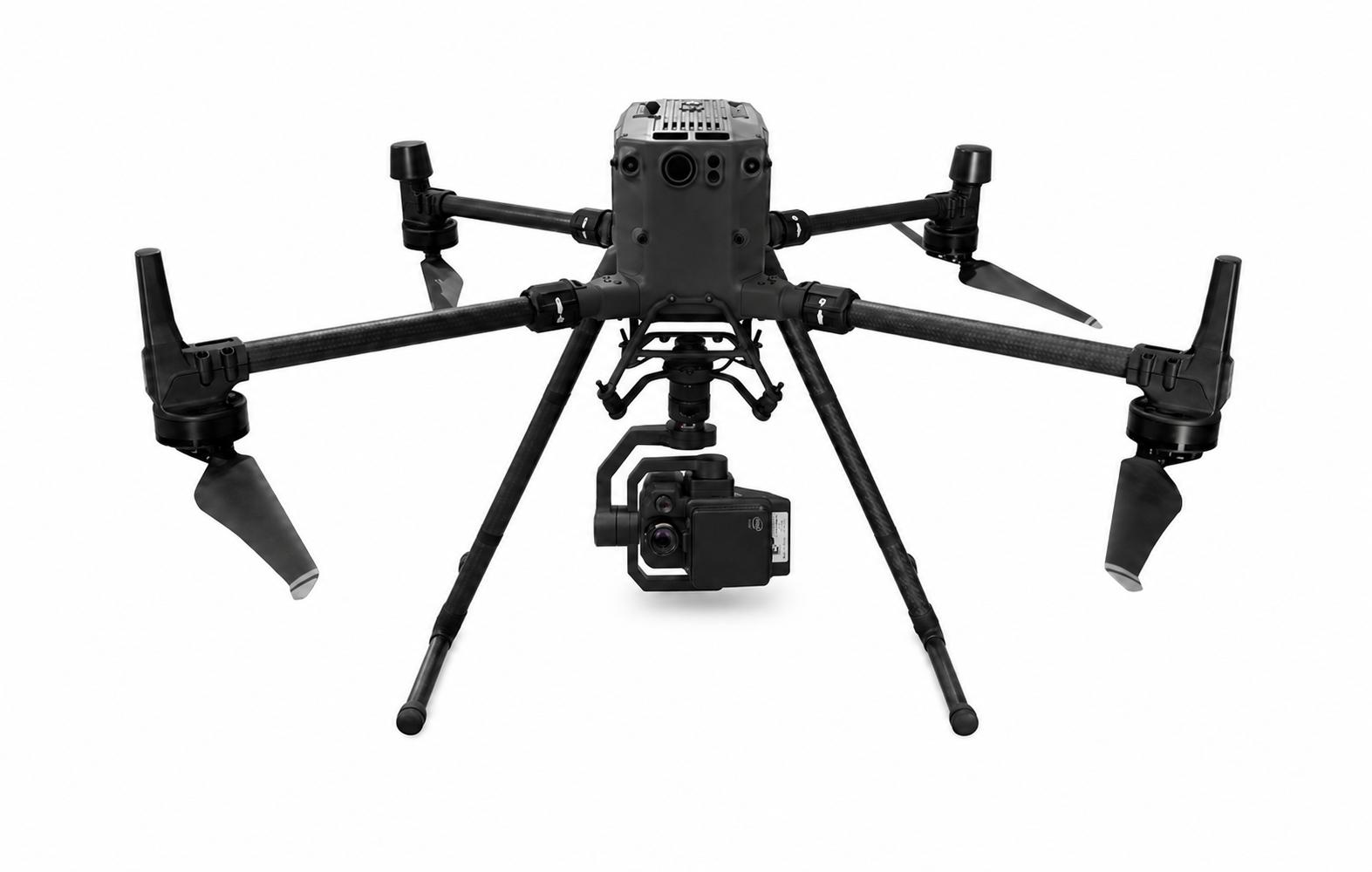
Our drone-based hyperspectral inspection system delivers non-destructive, real-time verification of fire-retardant safety nets across the entire building facade.
Non-destructive
No need to cut samples — the integrity of the installed safety net is fully preserved.
Real-time analysis
Immediate on-site data processing and treated / untreated classification.
Full-facade coverage
The drone efficiently scans the entire building exterior, not just sample patches.
High accuracy
Over 95% precision distinguishing treated from untreated nets.
Proven hardware
Built on an industry-standard drone and a SWIR hyperspectral sensor.
- Sensor type
- SWIR hyperspectral
- AI model
- On-board classifier + anomaly detection
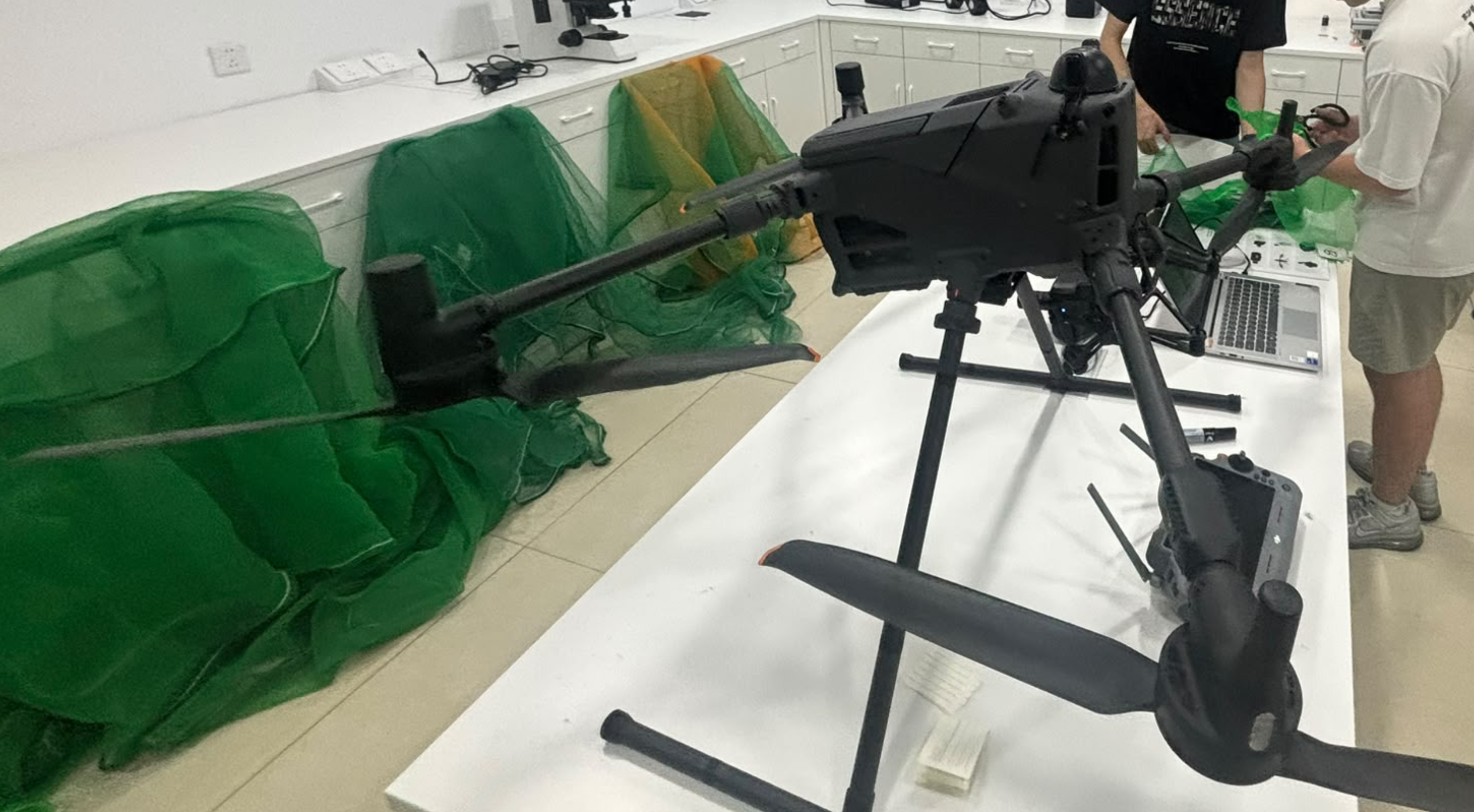
Ground-truth spectra are collected in the lab to calibrate the on-board classifier before field deployment.
From the lab bench to the city skyline
One platform, proven across competitions, community projects and real inspection scenarios.
Proven on sites
Drone operations, machine-learning R&D and live POCs across Hong Kong.
Safer Buildings. Stronger Communities.
Our drone-based hyperspectral inspection system enhances public safety and builds a more resilient Hong Kong.
Ensures fire-retardant nets perform as intended, reducing fire spread and falling debris.
Supports government enforcement with reliable data and greater confidence in construction safety.
Non-destructive, efficient inspections minimise disruption to sites and the surrounding community.
Encourages consistent use of compliant materials, supporting sustainability and reduced waste.
Contributes to a smarter, safer and more resilient city through technology and innovation.
Every inspection, a step towards a safer city.
Technology for Safety. Innovation for Humanity.
Reduces fire risk and protects lives
Faster inspections vs. traditional methods
Full-facade coverage for higher compliance
Supports responsible construction & well-being
Is this already on the market? No — not yet.
No commercial product offers drone-based hyperspectral inspection specifically for verifying the fire-retardant properties of scaffolding safety nets. Hyperspectral + AI chemical-additive detection for post-Tai Po regulation is novel and first-mover in the Hong Kong / Greater China construction-safety market.
Manual testing — the current HK regulatory standard.
Visual, thermal or multispectral cameras for structural defects — no chemistry.
Factory-side certification, not on-site verification via drones.
The only regulatory-grade, on-site chemical verification for fire-retardant nets.
Recognised, funded and on the radar
Hong Kong Selection
Entrepreneurship Award
Awardee
Programme grantee
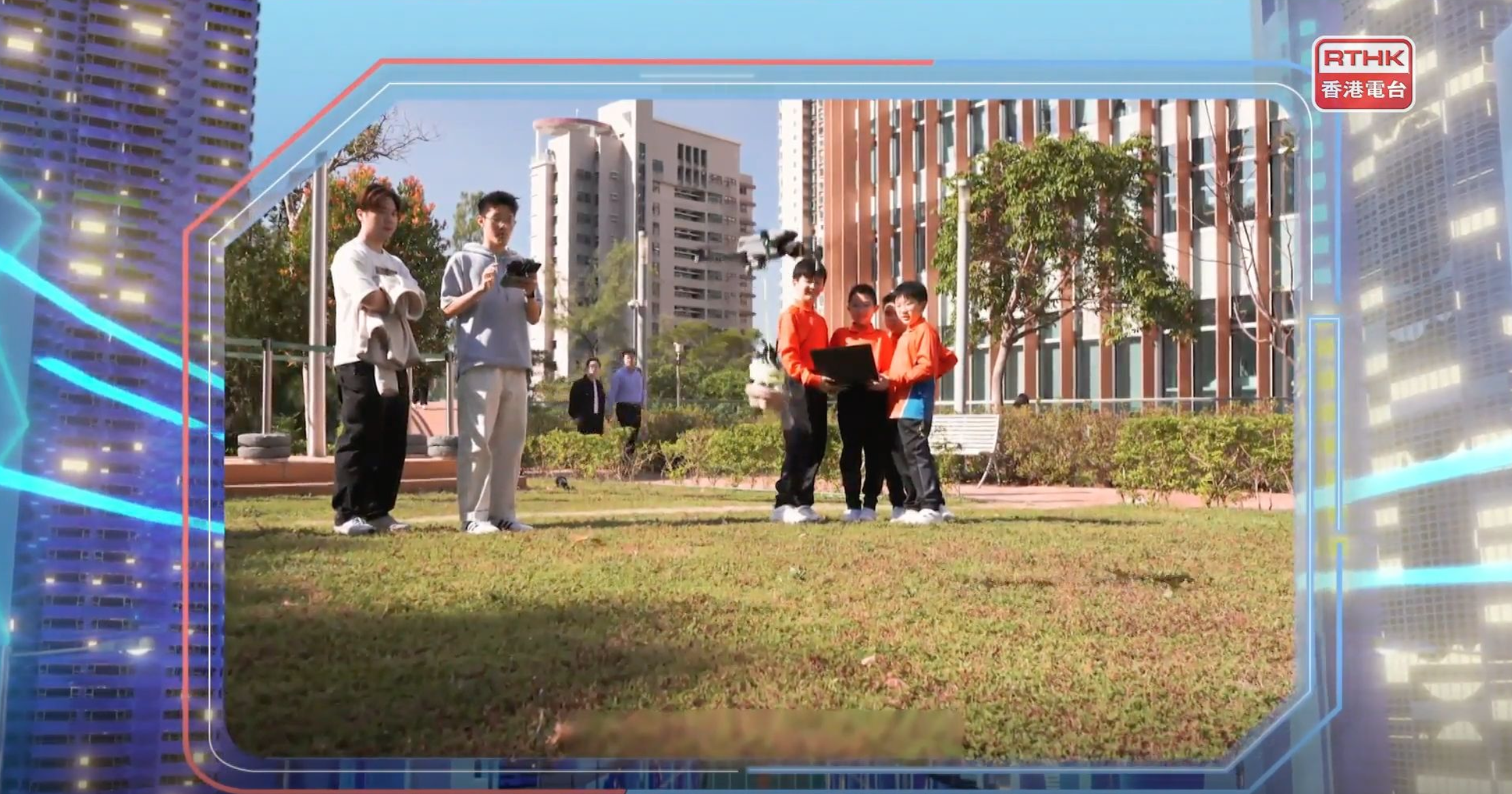
Drone service provider for the weather-satellite student project at 保良局蕭漢森小學
Innovation fund awardee
Grantee
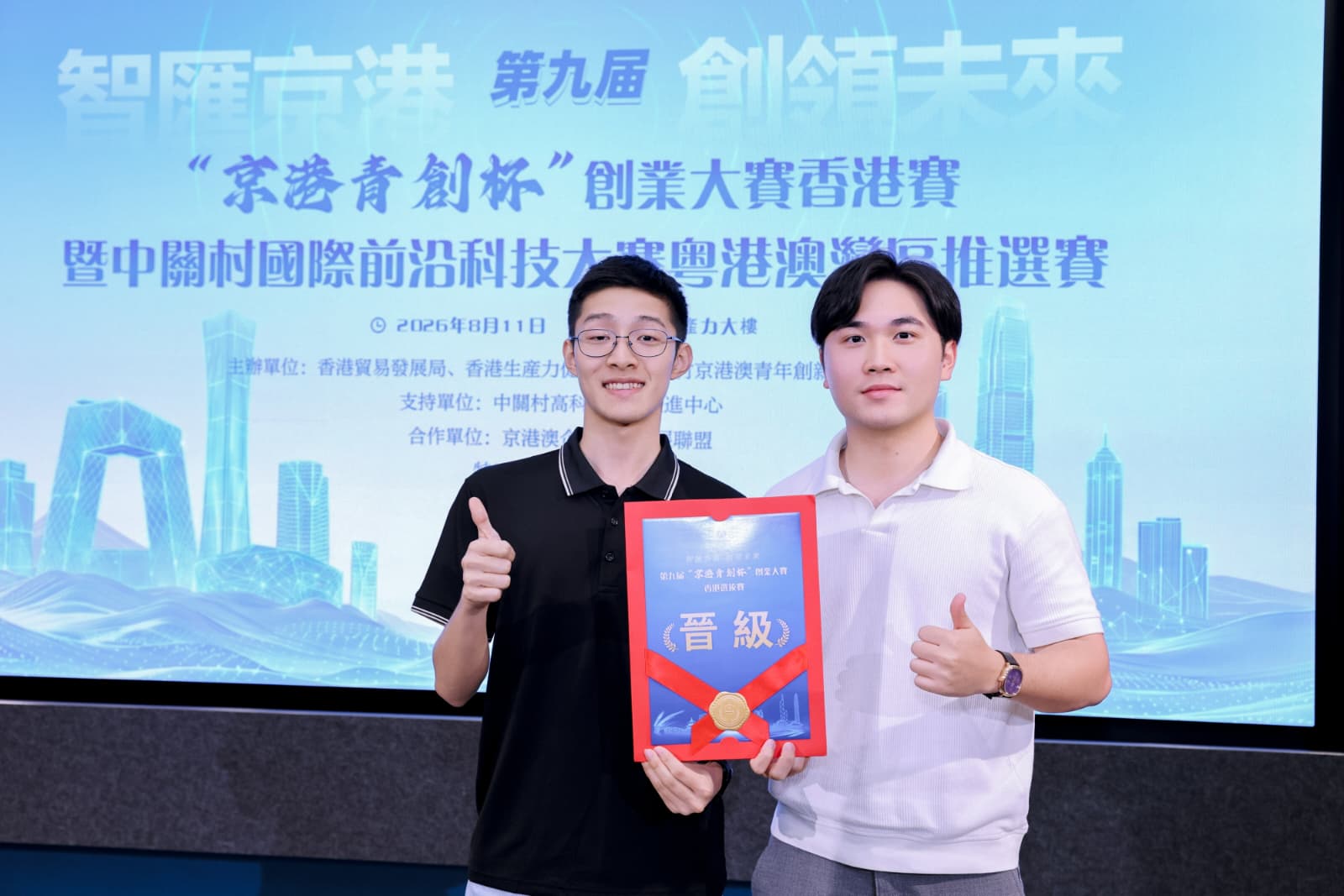
Hong Kong Selection — the team advancing at the 9th 京港青創杯 award ceremony.
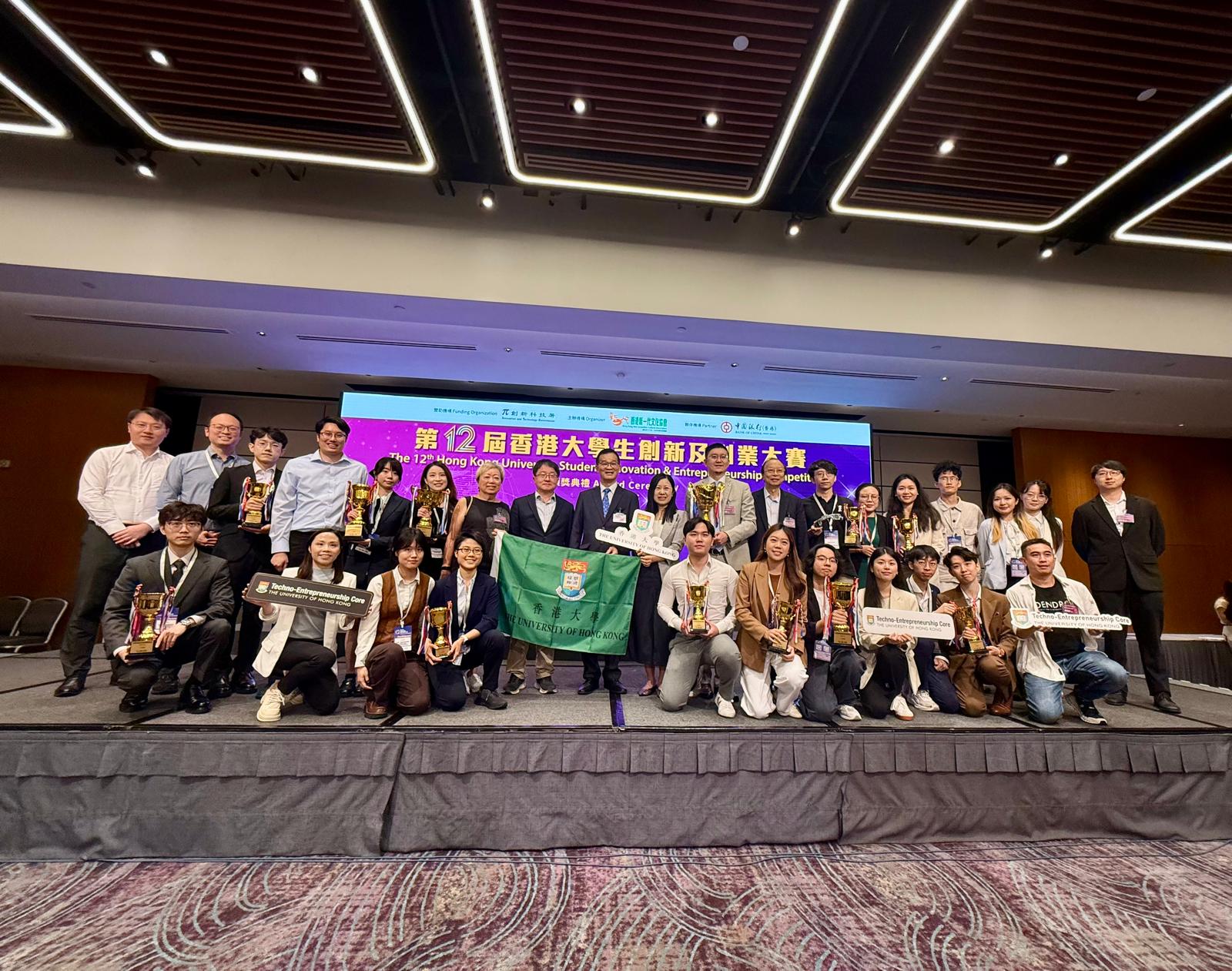
The team representing the University of Hong Kong at the award ceremony.
Guiding a primary-school weather-satellite student project as drone service provider.
Let's make Hong Kong's facades safer
Talk to us about pilots, Buildings-Department integration, or partnering on the next post-Tai Po inspection deployment.
Email the team188 Connaught Road West, Shek Tong Tsui, Hong Kong